
Our Story
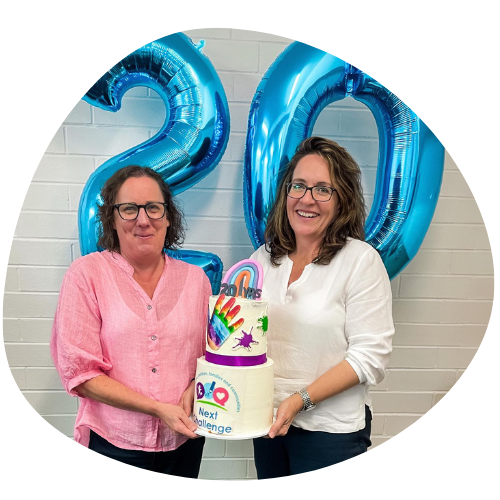
Next Challenge was founded in 2002 by four allied health professionals; Kendra, Julie, Natalie and Catherine. After many years working with children and their families across Perth and the rural and remote regions of Western Australia, the four therapists decided to establish the first private multi-professional therapy services in Western Australia.
In 2026, Julie and Kendra remain the Directors of Next Challenge. While privately owned, the practice has always operated as a social enterprise company investing in the development of our families, our team members and the broader Western Australian health and disability sector.
We are incredibly proud of the journey we have been on and all of the incredible team members who have joined us in this journey to achieve our vision:
“Our community can access high quality allied health services that support inclusion and participation”
About Next Challenge and How We Work
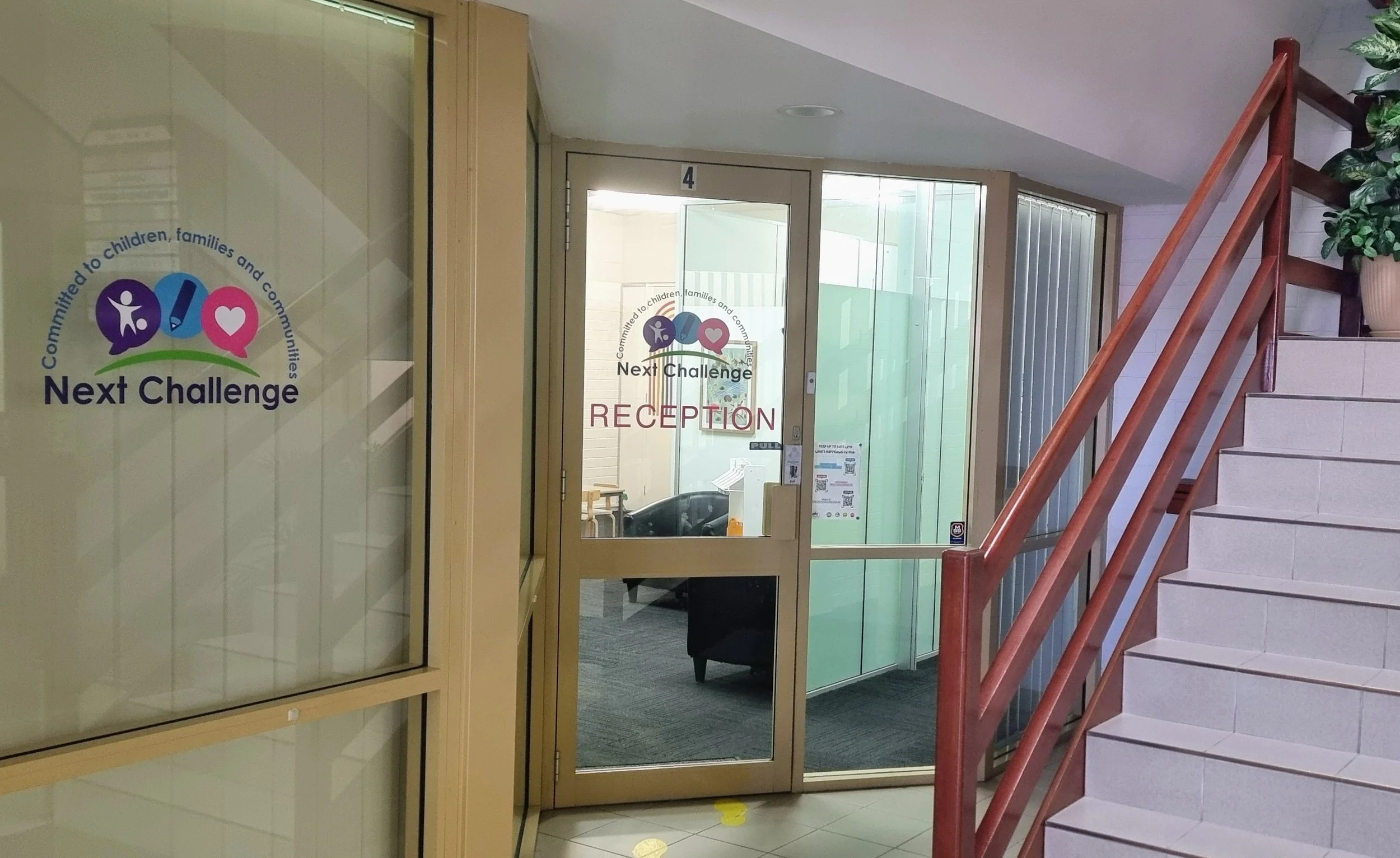
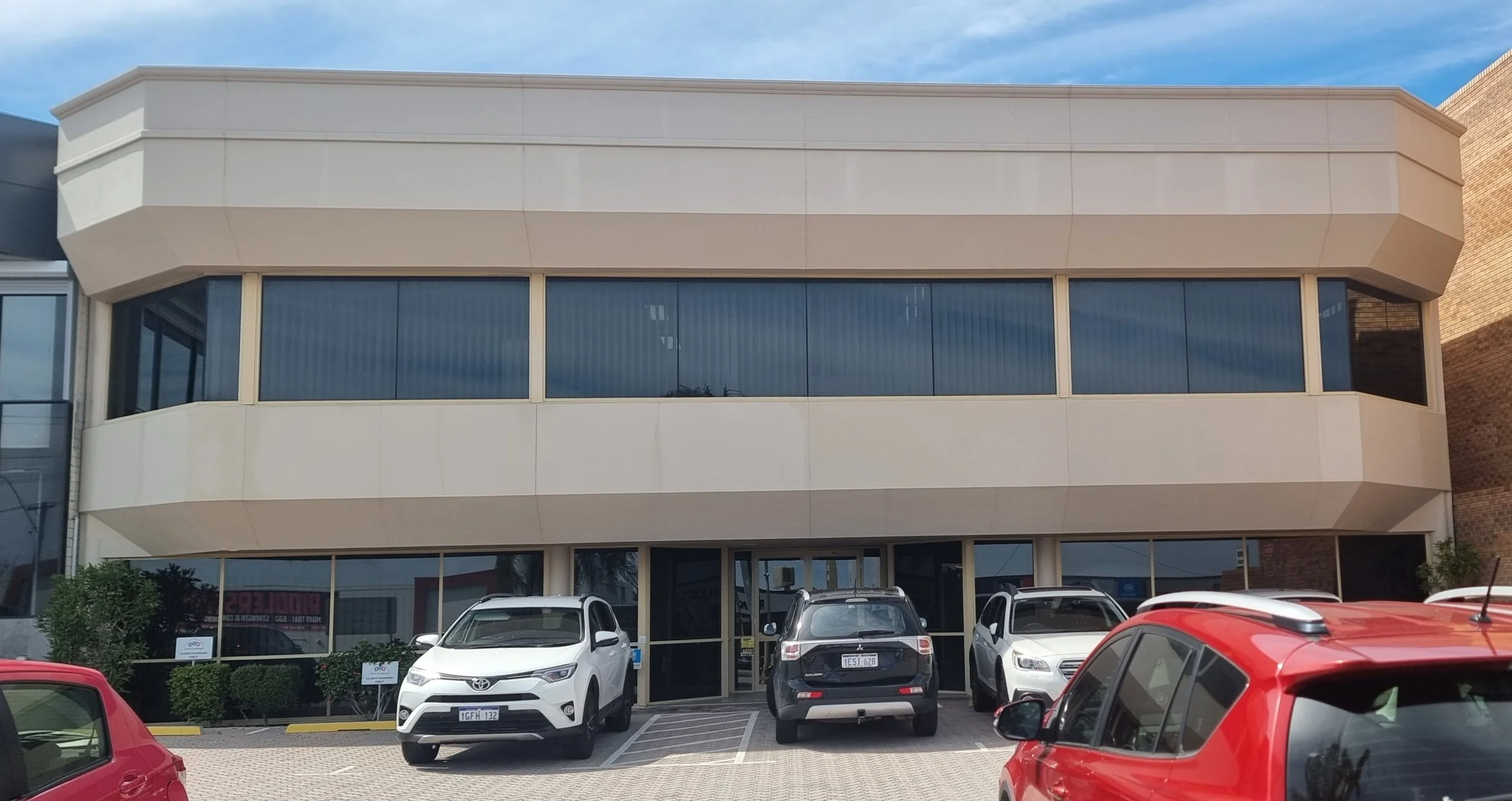
Our Clinic

Frequently Asked Questions (FAQs)
Services
-
You do not require a referral to access therapy services at Next Challenge, however if you wish to claim a rebate from Medicare you will need a referral from your GP or Paediatrician prior to your appointment.
If you would like to enquire about therapy services for your child, please fill out the appointment request form here. Once completed, a member of our team will be in contact with you as soon as possible to discuss the next steps for therapy services for your child.
-
Depending on your coverage level and your insurer, you can likely receive a rebate from your insurer. In saying this, in almost all cases, there is an out-of-pocket expense.
Your child may be eligible for a Medicare rebate if referred by their GP with a "Medicare Complex Neurodevelopmental Conditions MBS M10 Item Group” or a “GP Chronic Condition Management Plan” (GPCCMP).
GP Chronic Condition Management Plan:
This entitles people who have a chronic health condition (6 months+) and require services from multiple professionals, to have up to 5 sessions per calendar year rebated by Medicare. You will need to book an appointment with your GP and let them know when you book it that you want a GPCCMP plan as you may need a longer than usual appointment. Your GP will decide if your child is eligible under this scheme.
Medicare Complex Neurodevelopmental Conditions MBS M10 Item Group:
Clients with an eligible disability or complex neurodevelopmental conditions are also eligible for an additional 20 sessions over their lifetime (total) with a rebate from Medicare. You can find the full list of eligible conditions is available through the Medicare MBS website here
These sessions are required to be a minimum of 30 minutes in length and so must either be long sessions only, or an adjusted fee to account for a 30-minute session. Families can discuss this option with their GPs.
Please note some GPs suggest these sessions are free - as we DO NOT bulk bill they are not free sessions and will not cover the full price of our sessions.
-
If you need to cancel your appointment, please call us on 08 9201 0707, reply 'N' to your appointment SMS reminder, or contact your clinician directly. Please note that we require notice of cancellation by 9:00am the day prior to a scheduled appointment. Charges will apply for non-attendance or cancellation of an appointment without due notice.
-
Therapy does not always involve sessions where the child is present with the therapist, this is called ‘non face to face’ time. Non-Face-To-Face time therefore refers to any time spent completing work which supports your child to work towards their goals.
This might look like:
Attending IEP meetings/ case conferences at school
Sessions with you (without client) for parent coaching or goal planning
Phone or email consults with you / teachers / other caregivers / other service providers
Interdisciplinary planning - working with other therapists (OT, SP, PT, DT) to share skills, strategies and resources required for therapy sessions and service planning.
Making visuals or resources to use at home or in the community
Therapist researching equipment options (e.g. AAC) or programming devices
Developing home programs or AHA programs
Applications requirements for NDIS
Report writing
It's important to note that non-face-to-face support services and administrative tasks are equally valuable as direct therapy sessions. Sometimes there may be charges for services that don't involve face-to-face interactions.
Indirect therapy-related time, such as creating customised therapy programs, writing detailed reports, providing education and resources, and collaborating with educators, enables our therapists to ensure they are providing high-quality care. These tasks create effective therapy plans for your child, document progress and support with therapy planning, and help advocate for necessary therapy funding or insurance coverage.
Collaboration with educators and other key stakeholders is crucial for comprehensive care. It ensures everyone involved is working together to provide the best possible support for your child. Although not as visible in each session, administrative tasks are critical for your child's therapy journey's success and progress. These charges are investments in your child's future and the quality of care they receive.
Therapy Sessions
-
A summary of what to expect:
a discussion about your concerns so your therapist understands how they can best support you and your child;
time for the therapist, yourself and your child to get to know one another;
may include a more formal assessment related to the concerns identified;
recommendations for what the next steps might look like;
depending on your discussions with the therapist, the assessment may occur across multiple sessions.
Speech Pathology, Occupational Therapy, or Physiotherapy: An assessment session includes a few different components including a discussion with you about your concerns so you therapist understands how they can best support you and your child, time for the therapist, yourself and your child to get to know one another (this is often through play and interaction), assessment related to the concerns you have identified and recommendations for what the next steps might look like. Depending on your discussions with the therapist, an assessment may occur across multiple sessions. Your therapist will let you know how many sessions are required to complete the assessment when they meet with you.
Mealtimes/Feeding: An assessment session includes a few different components including a discussion with you about your concerns so you therapist understands how they can best support you and your child, time for the therapist, yourself and your child to get to know one another (this is often through play and interaction), assessment related to the concerns you have identified (for mealtimes this often involves interacting with food) and recommendations for what the next steps might look like. Depending on your discussions with the therapist, an assessment may occur across multiple sessions due to the complexity and multi-layered skills required for eating & drinking. Your therapist will let you know how many sessions are required to complete the assessment when they meet with you.
We always look forward to meeting new families and clients at the clinic! Please do let us know if there is anything we can do to help make your session or the session environment more comfortable and accessible for you or your child.
-
We offer therapy services in our clinics and out in the community. We work with a child's caregivers to determine the best place for therapy to take place. This can mean therapy sessions can take place at your home, school, park or community centre.
NDIS
-
We have lots of information and links regarding the NDIS on our Disability Support Tips page here. You can also always find out more information by visiting the NDIS website at www.ndis.gov.au/
-
A service agreement is an agreement between you and Next Challenge that makes it clear to what you and Next Challenge have both agreed to. The NDIS recommends having a written service agreement so participants and providers are clear about what supports will be delivered and how they will be delivered. In this service agreement will be included the types of services and the number of therapeutic hours you would like your child's NDIS plan to be used for at Next Challenge. This agreement is flexible and can change as you require.
-
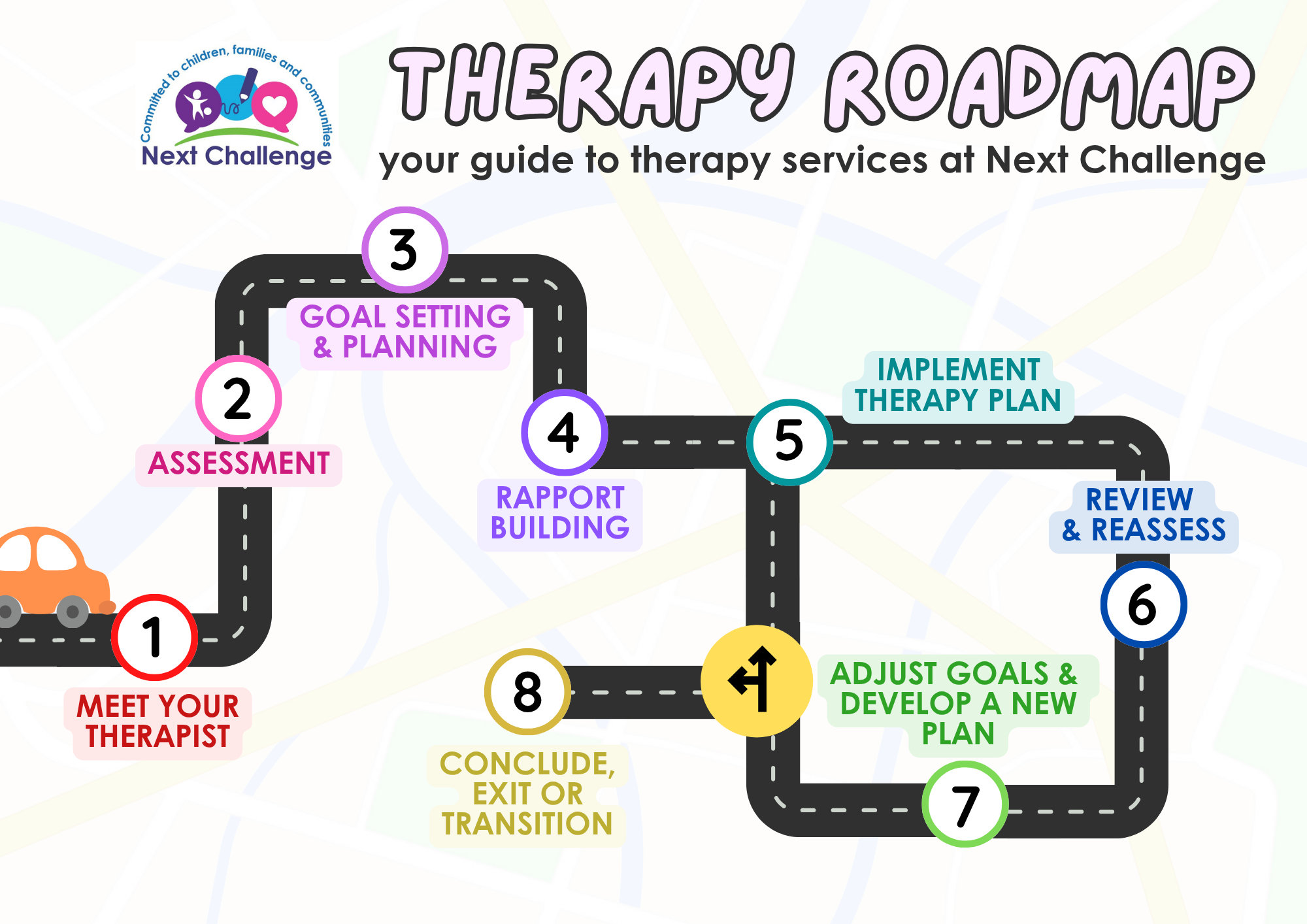
All clients accessing our services using NDIS funding are offered a Service Meeting with a senior staff member (Service Manager). These sessions are designed to support your family in navigating a therapy pathway at Next Challenge.
You can find out more about what is involved in Service Meetings here.